101 Essential Tips Every New Dog Owner Needs to Know
In the exciting journey of becoming a new dog owner, there are endless things to learn and consider to ensure the health and happiness of your furry friend. Whether you have just brought home a new puppy or adopted an older dog, it’s essential to be well-prepared and informed about how to properly care for your pet. Here are 101 essential tips that every new dog owner needs to know:
Basic Care
1. Make sure you have all the necessary supplies before bringing your new dog home, including food and water bowls, a collar and leash, a comfortable bed, grooming tools, and toys.
2. Schedule a visit to the veterinarian for a health check-up and vaccinations.
3. Find a reputable and reliable veterinarian that you trust.
4. Create a feeding schedule and stick to it to establish a routine for your dog.
5. Provide clean and fresh water for your dog at all times.
6. Regularly groom your dog, including brushing their coat, trimming their nails, and cleaning their ears.
7. Keep your dog’s living area clean and free of hazards.
8. Understand the nutritional needs of your dog and choose a high-quality dog food that meets those requirements.
9. Monitor your dog’s weight and adjust their food intake accordingly.
10. Train your dog to respond to basic commands such as sit, stay, and come.
Health and Wellness
11. Regularly exercise your dog to keep them healthy and happy.
12. Keep up-to-date on your dog’s vaccinations and preventive care.
13. Pay attention to any changes in your dog’s behavior or health and consult a veterinarian if needed.
14. Protect your dog from parasites such as fleas, ticks, and heartworms.
15. Spay or neuter your dog to prevent unwanted litters and reduce the risk of certain health issues.
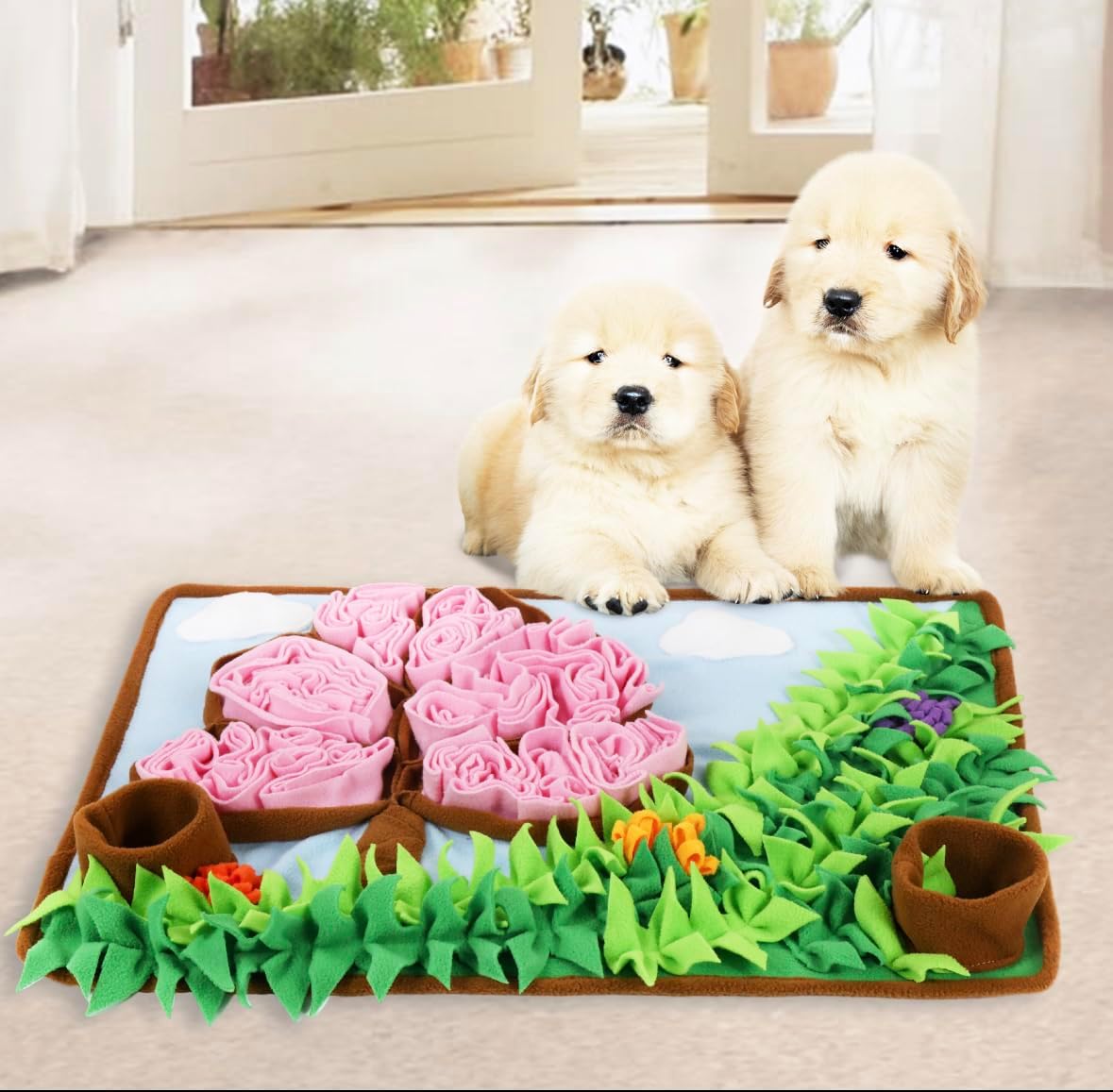
16. Provide mental stimulation for your dog with interactive toys and games.
17. Keep your dog’s teeth clean by brushing them regularly.
18. Be aware of common health problems in your dog’s breed and take preventive measures.
19. Follow a regular grooming routine to keep your dog’s coat healthy and free of mats.
20. Practice good hygiene by regularly bathing and grooming your dog.
Training and Socialization
21. Enroll your dog in obedience classes to learn basic commands and socialization skills.
22. Use positive reinforcement techniques such as treats and praise to train your dog.
23. Be consistent and patient when training your dog, and practice regularly.
24. Socialize your dog with other pets and people to prevent behavioral issues.
25. Set boundaries and rules for your dog to establish a positive and structured environment.
26. Use a crate for training and to provide a safe space for your dog.
27. Teach your dog to walk on a leash and behave appropriately in public.
28. Reinforce good behavior with rewards and avoid punishment-based training methods.
29. Seek help from a professional trainer or behaviorist if you encounter any behavioral problems.
30. Provide your dog with plenty of opportunities for exercise and play to prevent boredom and destructive behavior.
Nutrition and Diet
31. Feed your dog a balanced and nutritious diet that meets their specific needs.
32. Choose high-quality dog food with real meat and limited fillers.
33. Avoid feeding your dog human food that can be toxic or harmful to their health.
34. Monitor your dog’s weight and adjust their food intake as needed.
35. Provide a consistent feeding schedule and avoid free-feeding.
36. Keep plenty of fresh water available for your dog at all times.
37. Consider supplementing your dog’s diet with vitamins or other nutritional supplements if recommended by a veterinarian.
38. Be mindful of the portion size and calorie content of your dog’s food to prevent obesity.
39. Consult with a veterinarian or nutritionist if you have specific dietary concerns for your dog.
40. Watch for any signs of food allergies or sensitivities and adjust their diet accordingly.
Exercise and Activity
41. Provide regular exercise and physical activity for your dog to maintain their health and well-being.
42. Walk, run, or play with your dog daily to keep them active and engaged.
43. Consider your dog’s age, breed, and size when planning their exercise routine.
44. Engage in interactive play with toys, balls, or games to stimulate your dog mentally and physically.
45. Take your dog to a dog park or other dog-friendly areas to socialize and burn off energy.
46. Consider enrolling your dog in agility or other sports to provide mental and physical stimulation.
47. Avoid over-exercising young puppies or senior dogs and adjust their activity level accordingly.
48. Monitor your dog’s weight and adjust their exercise routine as needed to maintain a healthy weight.
49. Be aware of weather conditions and adjust your outdoor activities accordingly.
50. Provide opportunities for mental stimulation through training, puzzles, or interactive toys.
Behavior and Training
51. Understand and communicate with your dog using positive reinforcement and rewards.
52. Establish clear boundaries and rules for your dog to follow.
53. Provide consistency and structure in your training and daily routine.
54. Avoid punishing or scolding your dog for unwanted behavior and focus on positive reinforcement.
55. Use a crate or other safe space for training and to provide security for your dog.
56. Seek guidance from a professional trainer or behaviorist if you encounter any behavioral issues.
57. Socialize your dog with other pets and people to prevent aggression and fear.
58. Teach your dog basic commands such as sit, stay, come, and leave it.
59. Be patient and consistent in your training and practice regularly with your dog.
60. Use toys, treats, and praise to reward good behavior and build a positive relationship with your dog.
Grooming and Hygiene
61. Regularly brush your dog’s coat to prevent mats and tangles.
62. Trim your dog’s nails when they get too long to prevent discomfort and injury.
63. Clean your dog’s ears and teeth regularly to prevent infections and dental problems.
64. Bathe your dog as needed to keep their coat clean and healthy.
65. Use dog-specific grooming products and tools to maintain your dog’s hygiene.
66. Treat your dog for fleas, ticks, and other parasites regularly to prevent infestations.
67. Schedule regular grooming appointments with a professional groomer if needed.
68. Be gentle and patient when grooming your dog to avoid stress and discomfort.
69. Monitor your dog’s skin and coat for any changes or signs of allergies or infections.
70. Keep your dog’s living area clean and free of hazards to promote good hygiene.
Health and Wellness
71. Schedule regular wellness check-ups with your veterinarian to monitor your dog’s health.
72. Keep up-to-date on vaccinations and preventive care to protect your dog from illnesses.
73. Pay attention to any changes in your dog’s behavior or health and seek medical attention if needed.
74. Protect your dog from parasites such as fleas, ticks, and heartworms with preventive medications.
75. Spay or neuter your dog to prevent unwanted litters and reduce the risk of certain health issues.
76. Provide mental stimulation for your dog with toys, puzzles, and games.
77. Keep your dog’s teeth clean by brushing them regularly or providing dental chews.
78. Be aware of common health issues in your dog’s breed and take preventive measures.
79. Follow a regular grooming routine to keep your dog healthy and comfortable.
80. Maintain a healthy weight for your dog through proper diet and exercise.
Training and Socialization
81. Enroll your dog in obedience classes to learn basic commands and socialization skills.
82. Use positive reinforcement techniques such as treats and praise to train your dog.
83. Be patient and consistent in your training and practice regularly with your dog.
84. Socialize your dog with other pets and people to prevent behavioral issues.
85. Set boundaries and rules for your dog to establish a positive and structured environment.
86. Use a crate for training and to provide a safe space for your dog.
87. Teach your dog to walk on a leash and behave appropriately in public.
88. Reinforce good behavior with rewards and avoid punishment-based training methods.
89. Seek help from a professional trainer or behaviorist if you encounter any behavioral problems.
90. Provide your dog with plenty of opportunities for exercise and play to prevent boredom and destructive behavior.
Frequently Asked Questions
How often should I feed my dog?
It is recommended to feed adult dogs twice a day, once in the morning and once in the evening. Puppies may require more frequent feedings, up to three times a day. Consult with your veterinarian to determine the best feeding schedule for your dog based on their age, breed, and activity level.
How much exercise does my dog need?
The amount of exercise your dog needs depends on their age, breed, and size. Generally, dogs should receive at least 30 minutes to 2 hours of exercise each day. High-energy breeds may require more exercise, while senior dogs may need less. Consult with your veterinarian to determine the appropriate exercise routine for your dog.
How can I prevent my dog from chewing on furniture and other items?
Provide your dog with plenty of appropriate chew toys to redirect their chewing behavior. Be sure to supervise your dog and correct any unwanted chewing behavior promptly. Keep valuable or dangerous items out of your dog’s reach and provide mental stimulation to prevent boredom and destructive behavior.
What should I do if my dog is displaying aggressive behavior?
If your dog is displaying aggressive behavior, it is important to seek guidance from a professional trainer or behaviorist. Aggression in dogs can stem from fear, anxiety, or territorial behavior and should be addressed promptly to prevent potential harm to others. Avoid punishing or yelling at your dog for aggressive behavior and instead focus on positive reinforcement and training techniques.
How can I help my dog overcome fear or anxiety?
If your dog is experiencing fear or anxiety, it is essential to provide a safe and secure environment for them. Avoid forcing your dog into unfamiliar or stressful situations and instead gradually expose them to new experiences through desensitization and positive reinforcement. Consult with a professional trainer or behaviorist for guidance on helping your dog overcome fear and anxiety.
Conclusion
As a new dog owner, it is essential to be well-informed and prepared to care for your furry companion properly. By following these 101 essential tips, you can ensure the health, happiness, and well-being of your dog. From basic care and nutrition to training and socialization, each tip is designed to help you navigate the exciting journey of pet ownership with confidence and ease. Remember to consult with your veterinarian for personalized advice and guidance on caring for your dog, and enjoy the special bond and companionship that comes with being a dog owner.