**HTML HEADINGS:**
**Unleashing the Solution: Tackling Common Dog Behavior Problems**
**Introduction:**
Dogs are known for their loyalty, companionship, and unconditional love. However, sometimes our furry friends can exhibit behavior problems that can be frustrating and challenging to address. From excessive barking to destructive chewing, these issues can disrupt the harmony in our homes. In this article, we will explore some of the most common dog behavior problems and provide solutions to help you address them effectively.
**Understanding Dog Behavior:**
Before diving into specific behavior problems, it is important to understand the reasons behind them. Dogs are intelligent animals with their own unique personalities. Just like humans, they can experience emotions such as fear, anxiety, and boredom. These emotions can manifest in various behavioral issues if not addressed properly. It is crucial to remember that dogs do not misbehave out of spite, but rather as a way of communicating their needs.
**Common Dog Behavior Problems:**
1. **Excessive Barking:**
One of the most common behavior problems dog owners face is excessive barking. Dogs bark to communicate, but when it becomes incessant, it can be disruptive. Excessive barking can be triggered by boredom, fear, or separation anxiety. To address this issue, it is important to identify the underlying cause. Providing enough mental and physical stimulation, training your dog to bark on command, and using positive reinforcement techniques can help reduce excessive barking.
2. **Destructive Chewing:**
Dogs have a natural instinct to chew, but when it becomes destructive, it can be a problem. Destructive chewing can be caused by teething, boredom, or anxiety. To prevent this behavior, provide your dog with appropriate chew toys, exercise them regularly, and crate train them when you are not home. Consistent training and positive reinforcement can also help curb destructive chewing habits.
3. **Jumping on People:**
While it may seem cute when a puppy jumps on people, it can become a nuisance as they grow older. Jumping on people is a behavior that can be a result of excitement or seeking attention. To address this issue, ignore your dog when they jump, teach them an alternative behavior such as sitting, and reward them for good behavior. Consistency is key in training your dog to stop jumping on people.
4. **Aggression:**
Aggression in dogs can be a serious problem that requires professional help. It can be triggered by fear, anxiety, or territorial behavior. If your dog exhibits aggressive behavior, it is important to consult with a certified dog trainer or behaviorist to address the root cause. Never punish your dog for being aggressive as it can escalate the behavior. Positive reinforcement and desensitization techniques can help modify aggressive tendencies in dogs.
**Solutions to Common Dog Behavior Problems:**
1. **Consistent Training:**
Consistency is key when it comes to training your dog. Set clear boundaries and rules, and stick to them. Use positive reinforcement techniques such as treats, praise, and play to reward good behavior. Consistent training will help your dog understand what is expected of them and reinforce positive habits.
2. **Exercise and Stimulation:**
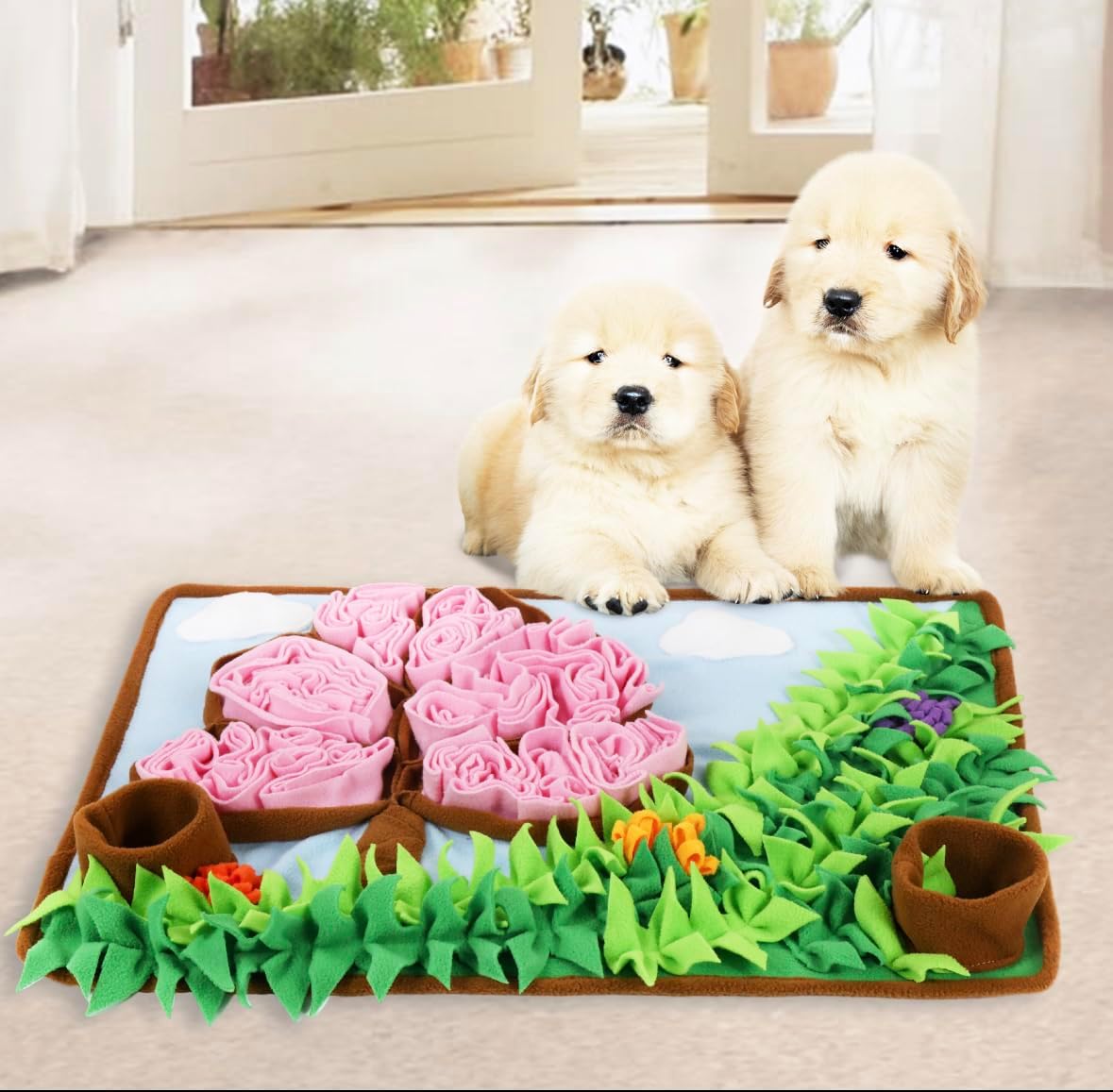
Physical and mental stimulation are essential for a dog’s overall well-being. Make sure to exercise your dog regularly through walks, runs, or playtime. Provide them with interactive toys, puzzle games, and training sessions to keep their minds engaged. A tired and stimulated dog is less likely to exhibit problem behaviors.
3. **Socialization:**
Proper socialization is crucial for a well-behaved dog. Expose your dog to different people, animals, and environments from a young age to help them develop good social skills. Socialization can prevent fear-based behaviors such as aggression and anxiety. Enroll your dog in obedience classes or play dates to improve their social skills.
4. **Positive Reinforcement:**
Positive reinforcement is a powerful training tool that rewards good behavior and encourages your dog to repeat it. When your dog exhibits a desirable behavior, such as sitting on command or walking calmly on a leash, reward them with treats, praise, or playtime. Positive reinforcement builds a strong bond between you and your dog and motivates them to behave well.
**Conclusion:**
In conclusion, tackling common dog behavior problems requires patience, understanding, and consistency. By identifying the root cause of the behavior issue and implementing positive training techniques, you can help your dog overcome their challenges and become a well-behaved companion. Remember to seek professional help if the behavior problems persist or if they escalate into aggression. With the right approach and dedication, you can unleash the solution to your dog’s behavior problems and enjoy a harmonious relationship with your furry friend.