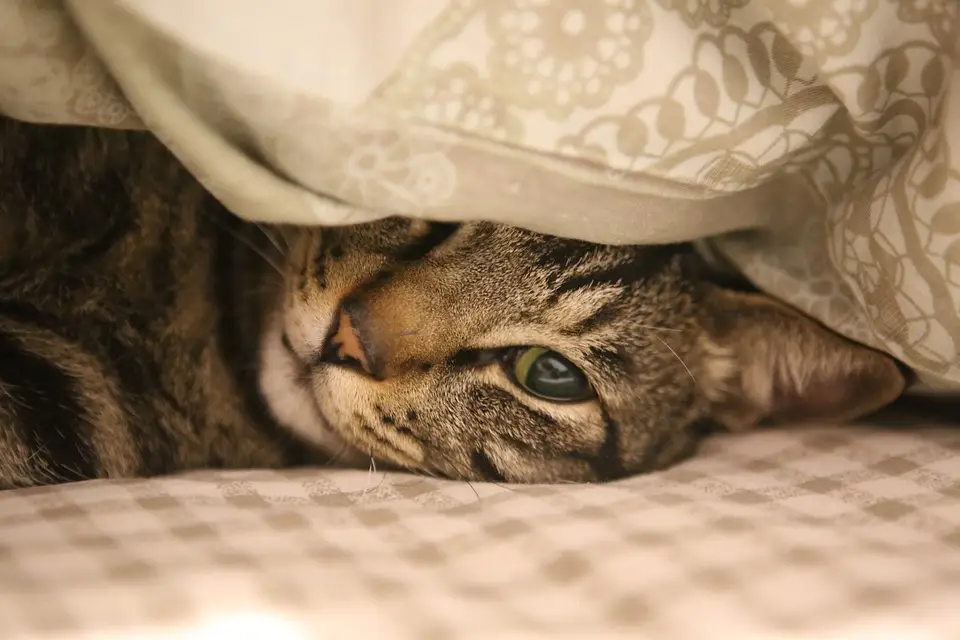
Decoding Feline Frustrations: Understanding and Addressing Common Cat Behavior Issues
As any cat owner can attest, our feline friends can sometimes exhibit behaviors that leave us scratching our heads. From excessive meowing to destructive scratching, understanding and addressing common cat behavior issues is essential for maintaining a harmonious relationship with your furry companion. In this article, we will decode some of the most common feline frustrations and provide actionable tips for resolving them.
Excessive Meowing
One of the most common complaints among cat owners is excessive meowing. While some level of vocalization is normal for cats, incessant meowing can be a sign of underlying issues such as hunger, attention-seeking behavior, or even distress. To address this behavior, it’s important to first rule out any potential medical causes by consulting with your veterinarian.
If your cat is in good health, consider providing additional mental and physical stimulation to help alleviate boredom. Interactive toys, puzzle feeders, and regular play sessions can all help keep your cat entertained and satisfied, reducing the need for excessive meowing.
Destructive Scratching
Another common behavior issue among cats is destructive scratching. Cats scratch to sharpen their claws, mark their territory, and stretch their muscles. However, when this behavior is directed towards furniture or other valuable items in the home, it can be frustrating for owners.
To address destructive scratching, provide your cat with appropriate scratching posts or pads. Place these items in strategic locations around the house where your cat is likely to scratch, such as near their favorite resting spots. Consider using catnip or pheromone sprays to attract your cat to these items and praise them when they use them appropriately.
Litter Box Problems
Litter box problems are another common cat behavior issue that can be both frustrating and unsanitary. Cats may refuse to use the litter box for a variety of reasons, including cleanliness issues, territorial disputes with other pets, or medical issues such as urinary tract infections.
To address litter box problems, make sure to keep the litter box clean and accessible at all times. Use a litter that your cat prefers and scoop the box daily to prevent odor buildup. If your cat continues to have accidents outside the litter box, consult with your veterinarian to rule out any underlying medical issues.
Aggression Towards Humans or Other Pets
Aggression is another common behavior issue among cats that can be concerning for owners. Cats may display aggression towards humans or other pets for a variety of reasons, including fear, territoriality, or lack of socialization.
To address aggression in cats, it’s important to first identify the trigger for the behavior. If your cat is displaying aggression towards other pets, consider providing separate feeding areas, litter boxes, and resting spots to reduce competition. If your cat is aggressive towards humans, avoid punishing them and instead focus on positive reinforcement techniques to encourage good behavior.
Conclusion
Understanding and addressing common cat behavior issues is essential for maintaining a happy and healthy relationship with your feline friend. By identifying the root causes of problematic behaviors and implementing appropriate solutions, you can help ensure that your cat remains content and well-adjusted in your home.
Remember to consult with your veterinarian if you have concerns about your cat’s behavior, as they can help rule out any potential medical issues and provide guidance on behavior modification techniques. With patience and consistency, you can address common cat behavior issues and enjoy a peaceful coexistence with your furry companion.
References:
- https://www.aspca.org/pet-care/cat-care/common-cat-behavior-issues/litter-box-problems
- https://www.petmd.com/cat/behavior/evr_ct_helping_your_cat_adjust_to_a_new_home
- https://icatcare.org/advice/problem-behaviour-aggression-towards-humans/