Guinea Pig Health Alert: Foods to Avoid for a Happy and Healthy Pet
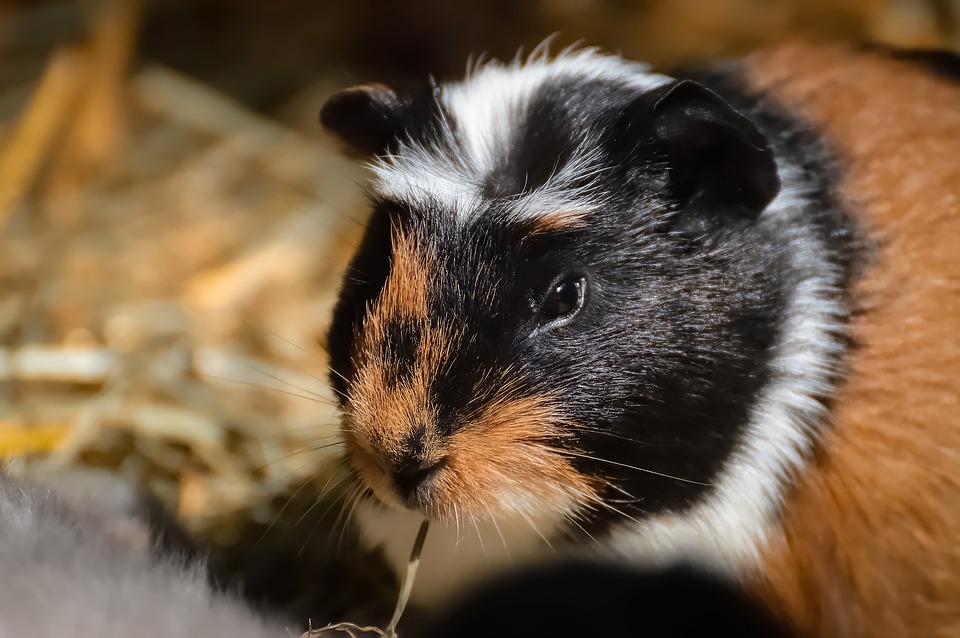
Guinea pigs are adorable and popular pets that bring joy and entertainment to many households. They are known for their cute appearance, friendly demeanor, and social nature. However, like all pets, guinea pigs require proper care and attention to ensure they stay happy and healthy. One key aspect of guinea pig care is their diet. It is essential to provide them with a balanced diet that meets their nutritional needs and avoids harmful foods.
In this article, we will discuss the foods that guinea pigs should avoid to maintain their health and well-being. We will also provide tips on how to create a healthy diet plan for your furry friend.
1. Chocolate
While chocolate may be a delicious treat for humans, it is toxic to guinea pigs. Chocolate contains theobromine, a compound that can be harmful to small animals like guinea pigs. Ingesting chocolate can lead to symptoms such as vomiting, diarrhea, rapid breathing, and even death in severe cases. Therefore, it is important to keep all chocolate products out of reach of your guinea pig.
2. Onions and Garlic
Onions and garlic belong to the allium family of vegetables, which are known to be toxic to guinea pigs. These vegetables contain compounds that can cause damage to the red blood cells of guinea pigs, leading to anemia. Symptoms of onion and garlic toxicity include weakness, pale gums, and lethargy. To keep your guinea pig safe, avoid feeding them any foods that contain onions or garlic.
3. Dairy Products
Guinea pigs are lactose intolerant, which means they cannot properly digest dairy products. Feeding your guinea pig milk, cheese, or yogurt can lead to digestive issues such as bloating, diarrhea, and stomach pain. Instead of dairy products, focus on providing your guinea pig with fresh fruits and vegetables that are safe for them to eat.
4. Seeds and Nuts
While seeds and nuts may seem like healthy snacks for humans, they can be dangerous for guinea pigs. Seeds and nuts are high in fat and can be difficult for guinea pigs to digest. If consumed in large quantities, seeds and nuts can lead to obesity, gastrointestinal issues, and even respiratory problems. It is best to avoid feeding your guinea pig any seeds or nuts and stick to their regular diet of hay, pellets, and fresh produce.
5. Processed Foods
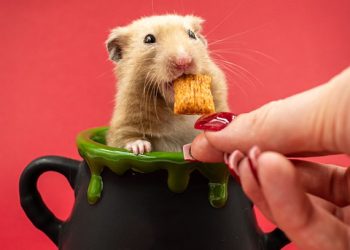
Processed foods such as chips, crackers, and cookies should not be given to guinea pigs. These foods are high in sugar, salt, and artificial additives, which can be harmful to their digestive system. Feeding your guinea pig processed foods can lead to obesity, dental problems, and overall poor health. Stick to feeding your guinea pig a natural diet that consists of hay, vegetables, and a small amount of pellets.
6. Avocado
Avocado is another food that guinea pigs should avoid. Avocado contains a toxic compound called persin, which can be harmful to guinea pigs if ingested. Symptoms of avocado poisoning include difficulty breathing, swelling of the throat, and fluid accumulation in the abdomen. To keep your guinea pig safe, do not feed them any part of an avocado, including the flesh, pit, or skin.
7. Rhubarb
Rhubarb is a plant that is toxic to guinea pigs due to its high oxalic acid content. Ingesting rhubarb can lead to symptoms such as drooling, difficulty breathing, and kidney failure. It is important to keep rhubarb out of reach of your guinea pig and never feed it to them as part of their diet.
8. Caffeine
Caffeine is another substance that is toxic to guinea pigs. Foods and beverages that contain caffeine, such as coffee, tea, and energy drinks, should not be given to guinea pigs. Ingesting caffeine can cause symptoms such as rapid heart rate, tremors, and seizures. Keep all caffeinated products away from your guinea pig to prevent accidental ingestion.
Creating a Healthy Diet Plan for Your Guinea Pig
Now that you know which foods to avoid, let’s discuss how to create a healthy diet plan for your guinea pig. A balanced diet for guinea pigs should consist of the following:
1. Hay: Guinea pigs should have access to fresh hay at all times. Hay is essential for their digestive health and helps wear down their continuously growing teeth.
2. Pellets: Guinea pig pellets are specially formulated to meet their nutritional needs. Choose high-quality pellets that are rich in vitamin C, fiber, and protein.
3. Fresh Vegetables: Provide your guinea pig with a variety of fresh vegetables daily. Good options include bell peppers, leafy greens, carrots, and cucumbers.
4. Fresh Fruits: Offer your guinea pig small amounts of fresh fruits as an occasional treat. Apples, strawberries, and blueberries are safe choices.
5. Water: Make sure your guinea pig has access to clean, fresh water at all times. Prevent dehydration by refilling their water bottle or bowl daily.
By following these guidelines and avoiding harmful foods, you can help ensure that your guinea pig stays happy and healthy. Remember to monitor their weight, behavior, and overall well-being regularly to catch any potential health issues early. With proper care and a nutritious diet, your guinea pig can live a long and happy life as your beloved pet.
In conclusion, guinea pigs are delightful pets that bring joy to many households. To keep your guinea pig healthy and happy, it is crucial to provide them with a proper diet that meets their nutritional needs. Avoid feeding your guinea pig any toxic foods such as chocolate, onions, dairy products, seeds, nuts, processed foods, avocado, rhubarb, and caffeine. Instead, focus on offering them a balanced diet of hay, pellets, fresh vegetables, and occasional fruits. By following these recommendations and monitoring your guinea pig’s health closely, you can ensure they live a long and fulfilling life as a cherished member of your family.