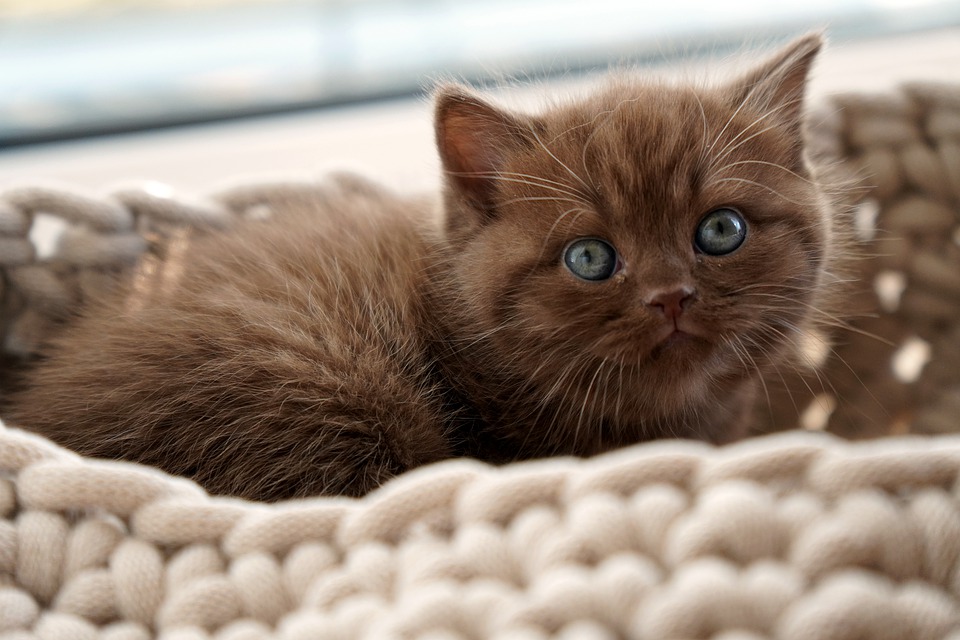
Cats are wonderful companions that can bring so much joy and love to our lives. However, living with a feline friend can sometimes be a bit challenging, especially when it comes to training. With the right approach and some patience, you can teach your cat essential skills that will make your home a more harmonious and happy place for both of you. In this article, we will discuss some essential cat training tips that can help you purr-fect your pawsome partner.
## Understanding Your Cat’s Behavior
Before we dive into specific training tips, it’s important to understand your cat’s behavior and motivations. Cats are intelligent creatures with unique personalities, and they have specific needs and preferences that influence their behavior. By taking the time to observe and learn about your cat’s habits and tendencies, you can tailor your training approach to suit their individual needs.
– Cats are independent animals that value their freedom and space.
– They have natural instincts for hunting, climbing, scratching, and exploring.
– Cats communicate through body language, vocalizations, and behaviors such as purring, rubbing, or kneading.
– They respond well to positive reinforcement and rewards, such as treats, toys, or praise.
## Essential Cat Training Tips
Now that you have a better understanding of your cat’s behavior, let’s explore some essential training tips that can help you build a strong and loving bond with your feline friend.
### 1. Litter Box Training
– Place the litter box in a quiet, private location away from food and water bowls.
– Use a litter box with low sides and a soft, unscented litter that your cat prefers.
– Clean the litter box regularly to maintain proper hygiene and prevent accidents.
– Reward your cat with treats or praise when they use the litter box correctly.
### 2. Basic Obedience Training
– Use positive reinforcement techniques such as clicker training or treats to teach basic commands.
– Start with simple commands like “sit,” “stay,” or “come” and gradually progress to more advanced tricks.
– Be patient and consistent in your training efforts, and always reward good behavior.
### 3. Scratching Behavior
– Provide your cat with a variety of scratching posts and pads to satisfy their natural urge to scratch.
– Place scratching posts in strategic locations where your cat likes to scratch, such as near windows or furniture.
– Use catnip or toys to entice your cat to use the scratching posts instead of your belongings.
### 4. Play and Exercise
– Engage your cat in regular play sessions with interactive toys, laser pointers, or feather wands.
– Encourage them to be active and exercise regularly to prevent boredom and promote physical and mental stimulation.
– Rotate toys and provide new enrichment activities to keep your cat entertained and engaged.
### 5. Socialization
– Introduce your cat to new people, animals, and environments gradually and positively.
– Use treats and praise to reward calm and confident behavior during socialization experiences.
– Monitor your cat’s body language and stress levels to ensure they are comfortable and safe.
## Common Cat Training Challenges
While training your cat can be a rewarding experience, it also comes with its fair share of challenges. Here are some common issues that cat owners may encounter during the training process, and how to address them effectively.
– **Aggression:** If your cat displays aggressive behaviors, such as hissing, biting, or scratching, consult with a veterinary behaviorist or professional trainer for guidance.
– **Spraying:** Cats may spray urine to mark their territory or communicate with other cats. Consult with your veterinarian to rule out any medical issues and address underlying causes of spraying behavior.
– **Destructive Behavior:** Cats may engage in destructive behaviors like chewing or scratching furniture, curtains, or plants. Provide appropriate outlets for scratching and chewing, and redirect their attention to more suitable alternatives.
## Conclusion
Training your cat requires time, effort, and understanding of their unique needs and behaviors. By using positive reinforcement techniques, providing mental and physical stimulation, and addressing any challenges that arise, you can create a happy and harmonious home environment for you and your feline companion. Remember to be patient, consistent, and always prioritize your cat’s well-being and comfort. With dedication and love, you can purr-fect your pawsome partner and strengthen your bond for years to come.