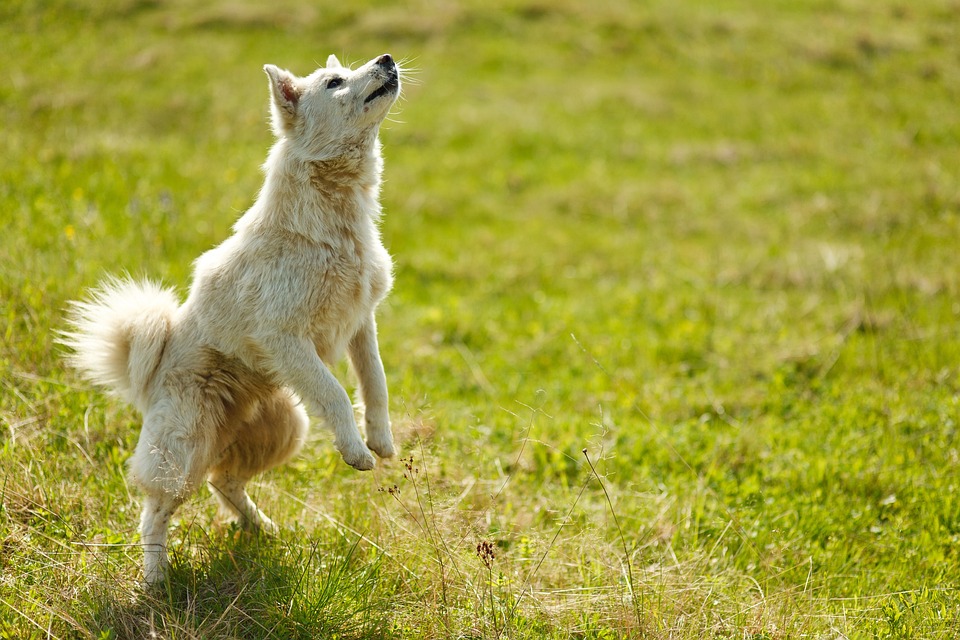
Decoding Dog Behavior: Understanding the Subtle Signs and Cues
Dogs are incredibly expressive animals, communicating with us and each other through a variety of subtle signals and cues. As dog owners, understanding these behaviors is essential for building a strong bond with our furry friends and creating a harmonious relationship. In this article, we will delve into the world of canine communication, decoding the hidden messages behind their behavior.
Understanding Canine Body Language
Body language is one of the most important ways that dogs communicate with us and with each other. By observing your dog’s posture, facial expressions, and movements, you can gain valuable insight into their state of mind. Here are some common cues to look out for:
- Tail wagging: Contrary to popular belief, a wagging tail doesn’t always indicate a happy dog. The position and speed of the wag can convey different emotions, such as excitement, anxiety, or aggression.
- Ear position: Ears that are erect and forward-facing typically suggest alertness, while ears that are flattened against the head may indicate fear or submission.
- Eye contact: Direct eye contact can be seen as a challenge in the canine world, so be mindful of your dog’s comfort level with prolonged eye contact.
Common Behaviors and What They Mean
Understanding the meaning behind your dog’s behaviors can help you respond appropriately and support their emotional well-being. Here are some common behaviors and their interpretations:
- Barking: Dogs bark for a variety of reasons, such as alerting you to a potential threat, expressing excitement, or seeking attention. Pay attention to the context of the barking to determine its underlying cause.
- Tail tucking: When a dog tucks its tail between its legs, it is a sign of fear or submission. Comfort your dog and create a safe environment to help them feel more secure.
- Pawing: Pawing can be a way for dogs to seek attention, express affection, or communicate discomfort. Take note of the context to understand what your dog is trying to tell you.
Recognizing Stress and Anxiety
Just like humans, dogs can experience stress and anxiety in various situations. It’s crucial to recognize the signs of these emotions in your dog and take steps to alleviate their discomfort. Here are some common indicators of stress in dogs:
- Panting: Excessive panting can be a sign of anxiety or discomfort. Monitor your dog’s breathing patterns and provide a cool, quiet space for them to relax.
- Yawning: Dogs often yawn when they are feeling stressed or uneasy. This can be a sign that they need a break from the current situation.
- Excessive licking: Compulsive licking can be a coping mechanism for dogs dealing with stress. Provide alternative outlets for their anxiety, such as interactive toys or puzzle feeders.
Building a Strong Bond with Your Dog
By learning to interpret your dog’s behavior and respond appropriately, you can strengthen your bond and create a trusting relationship with your pet. Here are some tips for building a strong connection with your dog:
- Pay attention to body language: Take the time to observe and understand your dog’s unique cues and signals. This will help you anticipate their needs and respond effectively.
- Provide consistency: Dogs thrive on routine and predictability. Establish clear boundaries and expectations for your dog to create a sense of security and structure.
- Stay patient and positive: Building a strong bond with your dog takes time and patience. Celebrate small victories and focus on positive reinforcement to reinforce good behavior.
Conclusion
Decoding your dog’s behavior is an ongoing process that requires patience, observation, and empathy. By paying attention to their body language, recognizing common behaviors, and supporting their emotional well-being, you can strengthen your bond with your furry friend and create a happy and fulfilling relationship. Remember to always communicate with your dog in a gentle and understanding manner, and cherish the unique connection you share.