Feeding Frenzy: The Ultimate Hamster Food List for Happy and Healthy Pets
Introduction:
Hamsters are adorable and energetic little pets that bring joy to many households. Just like any other living creature, hamsters require a balanced diet to ensure their health and well-being. In this article, we will provide you with the ultimate hamster food list to keep your furry friend happy and healthy.
Why is a Balanced Diet Important for Hamsters?
A balanced diet is essential for hamsters as it provides them with the necessary nutrients to support their growth, energy, and overall health. Without a proper diet, hamsters may become malnourished, leading to various health issues such as obesity, dental problems, and digestive issues. By feeding your hamster a variety of foods from different food groups, you can ensure that they receive all the essential nutrients they need to thrive.
The Ultimate Hamster Food List:
1. Pellets:
Pellets are a staple in a hamster’s diet as they are specially formulated to provide all the essential nutrients that hamsters need. Look for high-quality pellets that are specifically designed for hamsters to ensure that your pet receives the right balance of protein, carbohydrates, and vitamins.
2. Fresh Vegetables:
Fresh vegetables are an excellent source of vitamins and minerals for hamsters. Some vegetables that are safe for hamsters to eat include carrots, broccoli, cucumbers, and bell peppers. Be sure to wash the vegetables thoroughly and cut them into small, bite-sized pieces to prevent choking hazards.
3. Fruits:
Fruits are a delicious and nutritious treat for hamsters. However, fruits should be fed in moderation as they contain natural sugars that can lead to weight gain if overconsumed. Safe fruits for hamsters include apples, bananas, grapes, and strawberries. Remove any seeds or pits from the fruits before feeding them to your pet.
4. Seeds and Nuts:
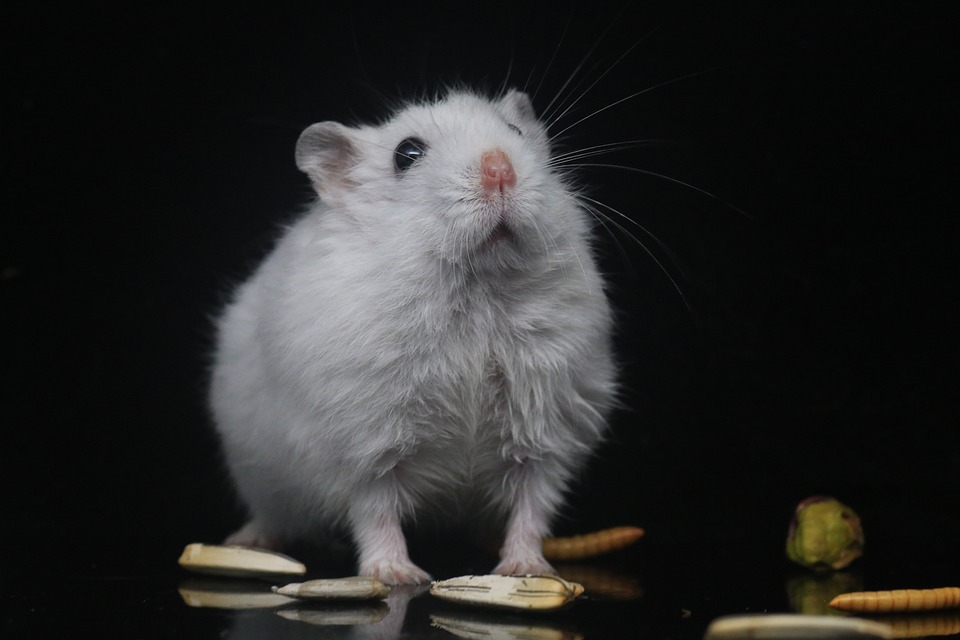
Seeds and nuts are a great source of protein and healthy fats for hamsters. Some safe seeds and nuts for hamsters include sunflower seeds, pumpkin seeds, and almonds. However, these should be fed in moderation as they are high in fat and can lead to obesity if overfed.
5. Mealworms and Crickets:
Mealworms and crickets are excellent sources of protein for hamsters. You can purchase these insects from pet stores or breed them at home. Be sure to feed your hamster live insects or dried ones to provide them with the necessary protein they need for muscle growth and maintenance.
6. Hay:
Hay is essential for hamsters as it helps to wear down their teeth, which constantly grow throughout their lives. Timothy hay is a popular choice for hamsters as it is high in fiber and aids in digestion. Provide your hamster with a constant supply of hay in their cage for them to chew on.
7. Water:
Water is essential for hamsters to stay hydrated and healthy. Make sure to provide your pet with fresh, clean water in a water bottle that is easily accessible to them. Change the water daily to prevent bacteria buildup and ensure that your hamster has a constant supply of water.
Frequently Asked Questions:
1. Can hamsters eat human food?
Hamsters can eat some human foods, but it is important to be cautious as certain foods can be harmful to them. Avoid feeding your hamster foods that are high in sugar, salt, or fat. Stick to hamster-specific foods to ensure that your pet receives the right balance of nutrients.
2. How much food should I feed my hamster?
It is important to monitor your hamster’s food intake to prevent overfeeding. Adult hamsters should be fed approximately 1-2 tablespoons of pellets per day, along with small portions of vegetables, fruits, and treats. Adjust the portion sizes based on your hamster’s activity level and weight.
3. Can hamsters eat meat?
Hamsters are omnivores, which means they can eat both plant-based and animal-based foods. However, meat should only be fed to hamsters in small amounts as it is not a natural part of their diet. Stick to lean meats such as cooked chicken or turkey and avoid giving your hamster fatty or processed meats.
Conclusion:
Feeding your hamster a balanced diet is crucial for their health and happiness. By providing them with a variety of foods from different food groups, you can ensure that they receive all the essential nutrients they need to thrive. Remember to monitor your hamster’s food intake, provide fresh water daily, and offer a mix of pellets, vegetables, fruits, seeds, nuts, hay, and insects to keep your furry friend happy and healthy. With the ultimate hamster food list outlined in this article, you can rest assured that your pet is receiving the best nutrition possible.