Feeding Your Bunny Right: How to Create a Healthy and Delicious Diet for Your Rabbit at Home
When it comes to caring for your pet rabbit, one of the most important aspects is their diet. A well-balanced and nutritious diet is crucial for your rabbit’s overall health and well-being. In this article, we will discuss how to create a healthy and delicious diet for your rabbit at home, addressing common questions and providing valuable information on the topic.
Understanding Your Rabbit’s Nutritional Needs
Rabbits are herbivores, which means their diet should consist mainly of hay, fresh vegetables, and a small amount of pellets. Hay is a crucial part of a rabbit’s diet as it provides the necessary fiber for proper digestion. Fresh vegetables are also essential to ensure your rabbit gets a variety of nutrients.
Hay
Hay should make up the majority of your rabbit’s diet. It provides essential fiber, which helps maintain healthy digestion and prevents issues such as obesity and gastrointestinal stasis. Timothy hay is a popular choice for rabbits, but other options such as orchard grass or oat hay can also be suitable.
Fresh Vegetables
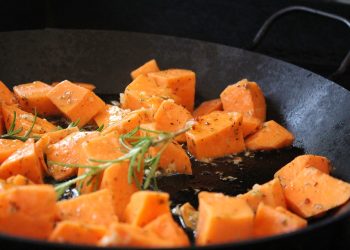
Fresh vegetables should make up around 10-15% of your rabbit’s diet. Some good options include leafy greens like kale, spinach, and romaine lettuce, as well as bell peppers, carrots, and broccoli. Be sure to introduce new vegetables gradually to avoid digestive upset.
Pellets
Pellets should be fed in moderation, as they are high in calories and can lead to obesity if overfed. Look for high-quality pellets that are specifically formulated for rabbits and avoid mixes that contain seeds and nuts.
Creating a Balanced Diet for Your Rabbit
To ensure your rabbit receives a well-balanced diet, it’s important to provide a variety of hay, vegetables, and pellets. Here is a sample daily diet for a rabbit:
– Unlimited access to fresh hay
– 1-2 cups of fresh vegetables
– 1/4 to 1/2 cup of pellets
Remember to always provide fresh water for your rabbit and avoid feeding them foods that are high in sugar or fat.
Common Questions About Feeding Rabbits
1. Can rabbits eat fruit?
While fruit can be a tasty treat for rabbits, it should only be given in small amounts due to its high sugar content. Good options include apples, bananas, and berries. Avoid feeding your rabbit citrus fruits and pits from fruits like peaches and plums.
2. How often should I feed my rabbit?
Rabbits have sensitive digestive systems, so it’s best to feed them small meals throughout the day. Offer fresh hay and vegetables in the morning and evening, with pellets given once a day.
3. What foods are toxic to rabbits?
Foods that are toxic to rabbits include chocolate, avocado, and foods high in sugar or fat. Avoid feeding your rabbit these foods to prevent potential health issues.
Conclusion
Creating a healthy and delicious diet for your rabbit at home is essential for their overall health and well-being. By understanding your rabbit’s nutritional needs and providing a well-balanced diet of hay, vegetables, and pellets, you can ensure that your furry friend stays happy and healthy. Remember to offer fresh water, avoid feeding toxic foods, and consult with your veterinarian if you have any concerns about your rabbit’s diet. With proper care and attention, your rabbit will thrive on a nutritious diet that meets all their nutritional needs.