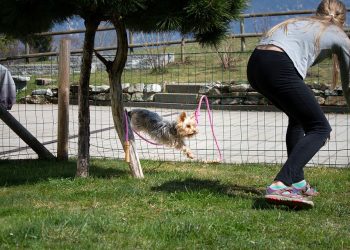
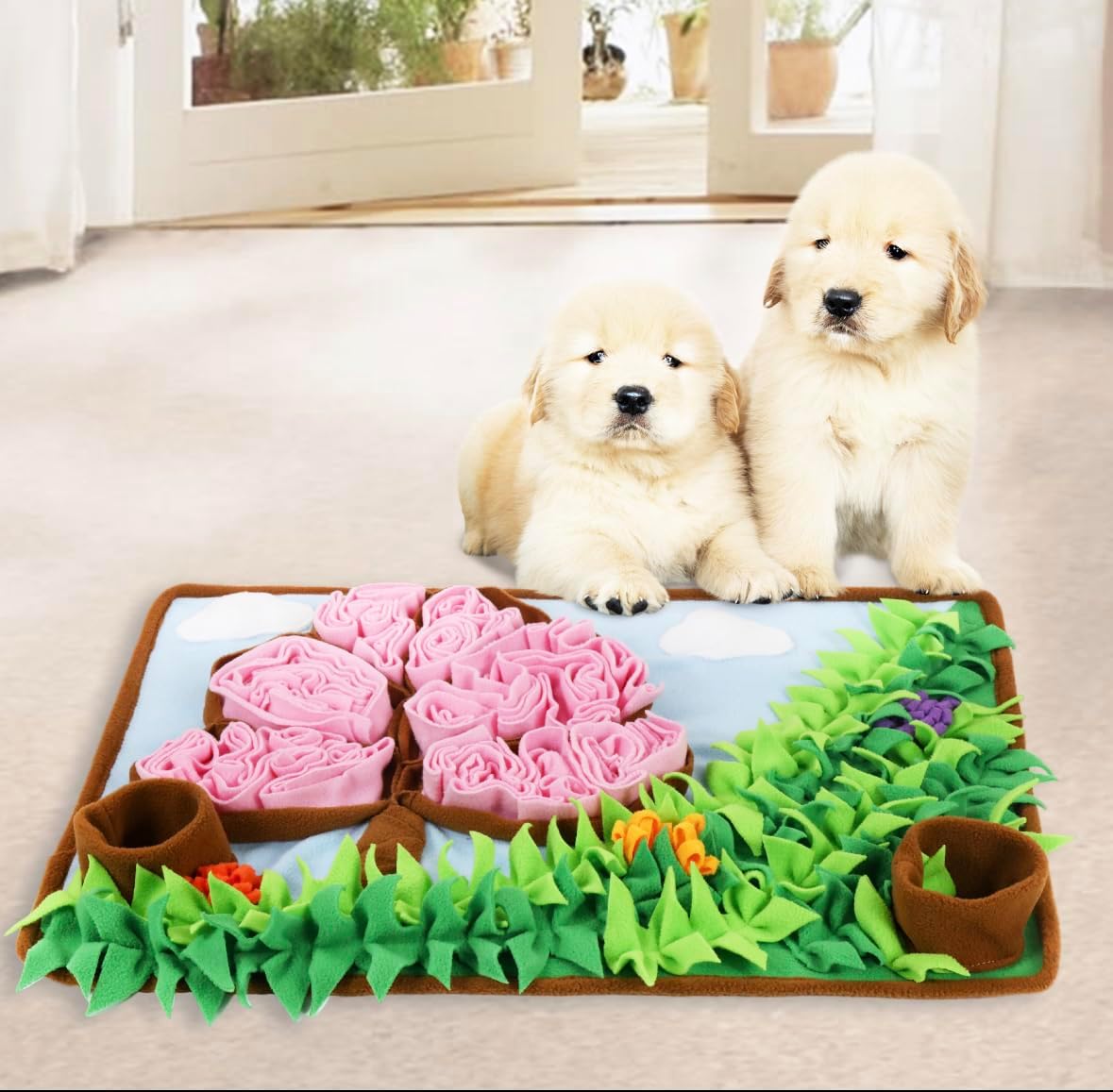
Mastering Your Pup: The Ultimate Guide to Dog Obedience Training
Bringing a new puppy into your home is an exciting and rewarding experience, but it also comes with its own set of challenges. One of the most important aspects of raising a well-behaved and happy dog is obedience training. Not only does obedience training help to establish a strong bond between you and your furry friend, but it also ensures their safety and improves their overall quality of life. In this comprehensive guide, we will walk you through the essential steps to mastering your pup through effective obedience training.
Understanding the Basics of Dog Obedience Training
Before diving into specific training techniques, it is crucial to understand the basics of dog obedience training. Obedience training is a fundamental part of a dog’s development process, teaching them how to behave appropriately in different situations. This type of training involves teaching your dog commands such as sit, stay, come, and heel, as well as how to walk on a leash and interact with other dogs and people.
Why is Obedience Training Important?
Obedience training is essential for several reasons. Firstly, it helps to establish your role as the pack leader, which is crucial for a harmonious relationship with your dog. It also teaches your dog self-control, which can prevent unwanted behaviors such as excessive barking, jumping, and aggression. Furthermore, obedience training can improve your dog’s overall behavior, making them more obedient, confident, and well-adjusted.
Training Your Pup: Step-by-Step Guide
1. Establish a Routine
Consistency is key when it comes to obedience training. Establishing a daily routine that includes regular training sessions will help your dog learn faster and retain the information better. Set aside a specific time each day for training, and be sure to keep training sessions short and engaging to maintain your dog’s attention.
2. Use Positive Reinforcement
Positive reinforcement is one of the most effective training techniques for dogs. Whenever your dog successfully performs a command, reward them with treats, praise, or affection. This will motivate your dog to continue obeying commands and reinforce good behavior. Avoid using punishment or harsh methods, as this can damage your dog’s trust in you and hinder their progress.
3. Start with Basic Commands
Begin your training by teaching your dog basic commands such as sit, stay, come, and heel. Start with one command at a time, and practice it consistently until your dog can perform it reliably. Once your dog has mastered a command, you can move on to the next one. Be patient and give your dog plenty of time to learn and practice each command.
4. Practice Patience and Persistence
Training a dog takes time and patience, so it’s important to stay consistent and persistent. If your dog is struggling with a command, don’t get frustrated or give up. Instead, break the command down into smaller steps and practice it regularly. Remember that every dog learns at their own pace, so give your pup the time they need to master each skill.
Common Challenges and Solutions
1. Pulling on the Leash
If your dog tends to pull on the leash during walks, try using a front-clip harness or head halter to discourage pulling. Practice loose-leash walking in a low-distraction environment before gradually increasing the difficulty level. Be consistent with your corrections and rewards to reinforce good walking behavior.
2. Excessive Barking
To address excessive barking, identify the root cause of the behavior. It could be due to boredom, fear, or separation anxiety. Provide mental and physical stimulation for your dog, such as interactive toys and regular exercise, to keep them engaged and content. Use positive reinforcement to reward quiet behavior and discourage barking.
3. Jumping on People
If your dog jumps on people when greeting them, teach them an alternate behavior such as sitting or lying down. Practice this behavior consistently when guests arrive, and reward your dog for following the command. Enlist the help of friends and family to reinforce the training and prevent your dog from jumping on them.
Conclusion
Mastering your pup through effective obedience training is a rewarding and fulfilling journey that strengthens the bond between you and your dog. By understanding the basics of obedience training, establishing a routine, using positive reinforcement, and being patient and persistent, you can successfully train your dog to be well-behaved and obedient. Addressing common challenges such as leash pulling, excessive barking, and jumping on people with practical solutions will help you navigate through the training process with ease. Remember that every dog is unique, so be patient, consistent, and loving throughout the training journey. With dedication and commitment, you can master your pup and enjoy a lifetime of companionship and joy.