The Fascinating World of Turtle Varieties: Exploring Different Breeds
Turtles are fascinating creatures that have captured the imaginations of people around the world for centuries. With their distinctive shells and slow, deliberate movements, turtles are beloved for their unique appearance and gentle nature. But did you know that there are actually many different breeds of turtles, each with its own unique characteristics and traits?
Common Types of Turtles
There are over 300 different species of turtles, each belonging to one of two suborders: Cryptodira and Pleurodira. Within these suborders, there are a wide variety of turtle breeds that differ in size, color, habitat, and behavior. Some of the most common types of turtles include:
1. Red-Eared Slider
The red-eared slider is one of the most popular pet turtles in the world. Known for its striking red markings on its head, this breed of turtle is native to the southern United States and northern Mexico. Red-eared sliders are known for their vibrant colors, friendly demeanor, and ability to adapt to different environments.
2. Painted Turtle
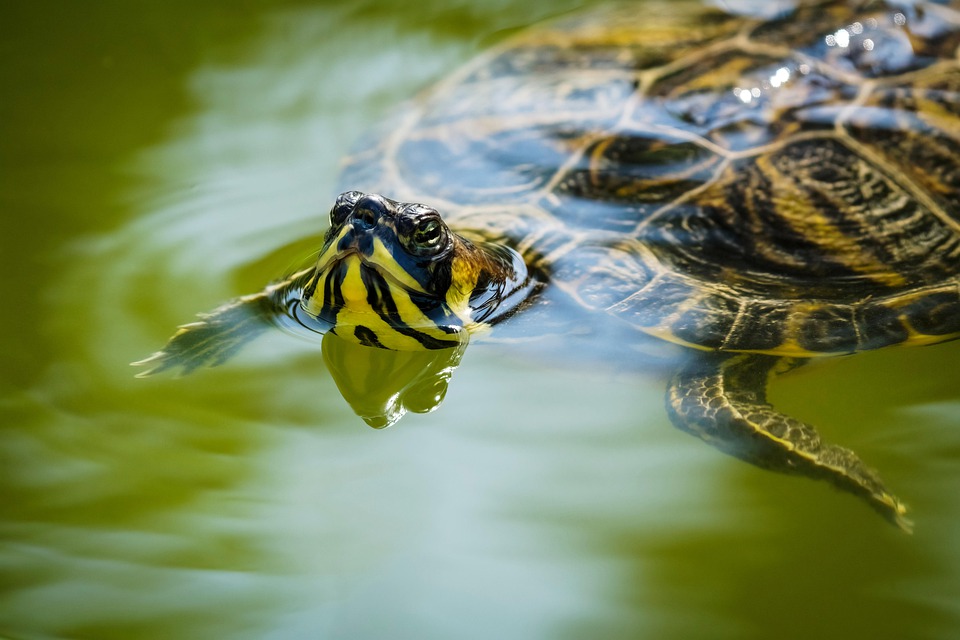
The painted turtle is another popular species of turtle that is known for its colorful markings. Native to North America, painted turtles can be found in fresh water habitats such as ponds, lakes, and marshes. These turtles are known for their distinctive red and yellow stripes on their neck and legs.
3. Snapping Turtle
Snapping turtles are known for their feisty temperament and powerful jaws. These turtles are found in freshwater habitats throughout North America and are known for their sharp beak-like jaws that can deliver a painful bite. Snapping turtles are typically larger than other turtle breeds and can weigh up to 45 pounds.
Unique Turtle Breeds
In addition to these common types of turtles, there are also many unique and rare breeds of turtles that are less well-known but equally fascinating. Some of these unique turtle breeds include:
1. Indian Star Tortoise
The Indian star tortoise is a small and colorful breed of turtle that is native to India and Sri Lanka. Known for its distinctive star-shaped patterns on its shell, this breed of turtle is popular among collectors and enthusiasts. Indian star tortoises are herbivores and feed on a diet of fruits, vegetables, and leafy greens.
2. Fly River Turtle
The Fly River turtle is a unique breed of turtle that is native to Australia and Papua New Guinea. Known for its webbed feet and strange-looking snout, this breed of turtle is highly adapted to life in the water and is an excellent swimmer. Fly River turtles are omnivores and feed on a diet of fish, insects, and aquatic plants.
3. Mata Mata Turtle
The mata mata turtle is a bizarre-looking breed of turtle that is native to South America. Known for its flat, triangular-shaped head and long neck, this breed of turtle is a master of camouflage and is able to blend in seamlessly with its surroundings. Mata mata turtles are carnivores and feed on a diet of fish, crustaceans, and insects.
Turtle Care and Conservation
Whether you are a turtle enthusiast or a new turtle owner, it is important to understand the proper care and conservation of these fascinating creatures. Turtles are long-lived animals that require specialized care to thrive in captivity. Some essential tips for caring for turtles include:
1. Proper Habitat
Turtles require a suitable habitat that mimics their natural environment. This includes a tank or enclosure with adequate space, water for swimming, and a basking area for sunning themselves. It is important to research the specific needs of your turtle breed to ensure they have a comfortable and healthy environment.
2. Diet and Nutrition
Turtles have specific dietary requirements that vary depending on their breed. Most turtles are omnivores and require a balanced diet of protein, vegetables, and fruits. It is important to provide a varied diet to ensure your turtle receives all the essential nutrients they need to stay healthy and strong.
3. Veterinary Care
Regular veterinary check-ups are essential for maintaining the health and well-being of your turtle. A qualified reptile veterinarian can help address any health issues or concerns and provide guidance on proper nutrition and care for your turtle breed. Regular check-ups can help prevent illnesses and ensure your turtle lives a long and healthy life.
Conservation Efforts
Turtles are facing numerous threats in the wild, including habitat loss, pollution, and poaching. Many turtle species are endangered or at risk of extinction, making conservation efforts critical to their survival. There are several organizations and conservation groups dedicated to protecting turtles and their habitats, such as the Turtle Survival Alliance and the World Wildlife Fund.
How You Can Help
There are several ways you can help protect turtles and contribute to conservation efforts. Some simple ways to help include:
- Supporting conservation organizations through donations or volunteer work
- Adopting a turtle from a reputable rescue organization
- Reducing your use of single-use plastics to help protect turtle habitats
- Participating in beach clean-up events to remove trash and debris that can harm turtles
Conclusion
Turtles are truly fascinating creatures that come in a wide variety of breeds, each with its own unique characteristics and traits. Whether you are a turtle enthusiast or a new turtle owner, understanding the different types of turtles and their care requirements is essential to ensuring their health and well-being. By learning more about turtles and supporting conservation efforts, you can help protect these amazing animals for future generations to enjoy.
Remember, turtles are not just cute pets—they are important members of our ecosystem that play a crucial role in maintaining the balance of nature. By appreciating and protecting turtles, we can ensure that these incredible creatures continue to thrive for years to come.