The Secret Diet of Rabbits: Uncovering the Truth Behind Their Food Habits
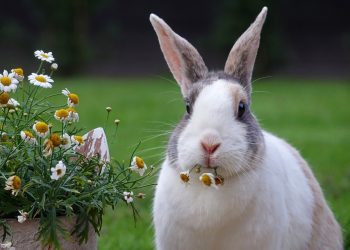
Rabbits are known for their adorable appearance, their fluffy tails, and their gentle demeanor. But have you ever wondered what these cute creatures eat to maintain their health and energy? In this article, we will delve into the secret diet of rabbits and uncover the truth behind their food habits.
What Do Rabbits Eat?
Rabbits are herbivores, which means they primarily eat plant-based foods. Their diet consists of grasses, hay, leafy greens, vegetables, fruits, and the occasional treat. The most important part of a rabbit’s diet is high-quality hay, which provides essential fiber to keep their digestive system running smoothly.
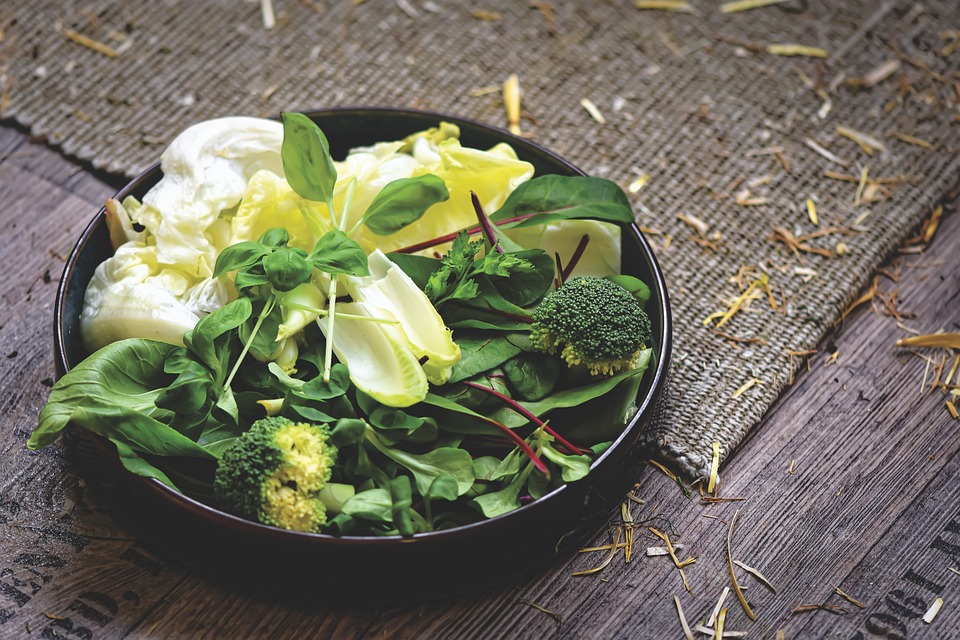
Leafy greens such as romaine lettuce, kale, and spinach are also important for rabbits as they provide necessary vitamins and nutrients. Vegetables like carrots, bell peppers, and cucumbers can also be given in moderation to add variety to their diet. Fruits should be given sparingly as they are high in sugar, but small amounts of berries, apples, and bananas can be given as treats.
It is important to note that rabbits have sensitive digestive systems, so any changes to their diet should be made gradually to prevent digestive issues. Additionally, fresh water should always be available to keep rabbits hydrated.
The Importance of Hay in a Rabbit’s Diet
Hay is an essential part of a rabbit’s diet as it provides the necessary fiber to keep their digestive system healthy. Without enough fiber, rabbits can develop gastrointestinal issues such as diarrhea or blockages. Hay also helps wear down their teeth, which continuously grow throughout their lives.
There are several types of hay that can be given to rabbits, including Timothy hay, orchard grass, and oat hay. These hays should be free of mold and dust to prevent respiratory issues in rabbits. Hay should make up the majority of a rabbit’s diet, with leafy greens and vegetables added as supplements.
Common Questions About Rabbits’ Food Habits
Can rabbits eat pellets?
Pellets can be part of a rabbit’s diet, but they should not be the main source of food. Pellets are often high in calories and can lead to obesity if given in excess. Look for high-quality pellets that are made with natural ingredients and provide the necessary nutrients for rabbits.
Are there foods that rabbits should avoid?
There are several foods that rabbits should avoid, including chocolate, avocado, and foods high in starch or sugar. These foods can be toxic to rabbits and should never be given to them. It is also important to avoid feeding rabbits any plants that may be toxic to them, such as lilies or daffodils.
How much food should rabbits be given each day?
The amount of food a rabbit should be given each day depends on their size, age, and activity level. In general, rabbits should be given unlimited access to hay, a cup of leafy greens, and a small amount of vegetables and fruits each day. It is important to monitor their weight and adjust their food intake accordingly to prevent obesity.
In Conclusion
Rabbits have specific dietary needs that should be met to ensure their health and well-being. By providing them with a diet rich in high-quality hay, leafy greens, vegetables, and the occasional treat, you can help keep your rabbit happy and healthy. Remember to introduce new foods gradually and monitor their weight to prevent any issues.
Thank you for reading our article on the secret diet of rabbits. We hope you have gained valuable insights into their food habits and how to provide them with the best nutrition possible.
Remember to always consult with a veterinarian if you have any concerns about your rabbit’s diet or health. With proper care and attention, your rabbit will thrive on a diet that meets their unique needs.
References:
1. https://rabbit.org/faq-diet/
2. https://www.humanesociety.org/resources/pet-rabbit-basics
3. https://pubmed.ncbi.nlm.nih.gov/8986796/