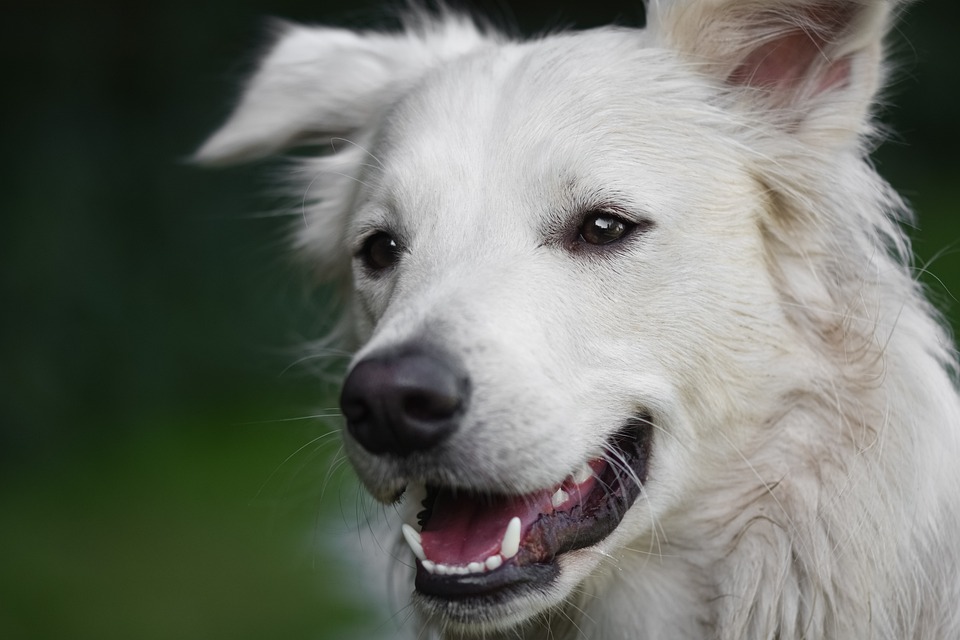
Transforming Troublesome Tendencies: The Power of Dog Behavior Modification
Dogs are beloved companions for many people around the world. They provide us with unconditional love, companionship, and endless entertainment. However, even the most well-behaved dogs can exhibit troublesome tendencies from time to time. Whether it’s excessive barking, destructive chewing, or aggressive behavior, it’s important to address these issues through proper dog behavior modification techniques.
Understanding Dog Behavior
Before diving into dog behavior modification, it’s essential to understand why dogs exhibit certain behaviors. Dogs are highly social creatures that rely on their instincts to communicate with the world around them. Some problematic behaviors stem from fear, anxiety, boredom, or a lack of proper training.
It’s crucial to observe your dog’s body language and environment to identify the root cause of their troublesome tendencies. Once you have a better understanding of why your dog is behaving a certain way, you can implement targeted behavior modification strategies to address the issue effectively.
Common Troublesome Tendencies
There are several common troublesome tendencies that dog owners may encounter. These include:
- Excessive barking
- Destructive chewing
- Aggressive behavior
- Jumping on people
- Separation anxiety
Each of these behaviors requires a unique approach to behavior modification. It’s essential to tailor your training methods to suit your dog’s specific needs and personality traits.
Positive Reinforcement Training
One of the most effective ways to modify your dog’s behavior is through positive reinforcement training. This training method involves rewarding your dog for good behavior with treats, praise, or toys. By reinforcing positive behaviors, you can encourage your dog to repeat them in the future.
When using positive reinforcement training, it’s important to be consistent and patient. Dogs learn best through repetition and reinforcement, so it’s crucial to provide clear cues and rewards to help them understand what is expected of them.
Behavior Modification Techniques
When it comes to addressing troublesome tendencies in dogs, there are several behavior modification techniques that can be effective. Some of these techniques include:
- Counter-conditioning: This technique involves changing your dog’s emotional response to a specific stimulus by pairing it with something positive.
- Desensitization: Gradually exposing your dog to the source of their fear or anxiety in a controlled environment to help them overcome their phobias.
- Time-outs: Providing your dog with a brief time-out when they exhibit undesirable behavior to help them learn that their actions have consequences.
- Redirecting: Distracting your dog from engaging in destructive behavior by offering them an alternative activity or toy to focus on.
It’s vital to implement these techniques with patience and consistency to see the best results. Every dog is unique, so it may take some trial and error to find the most effective behavior modification technique for your furry friend.
Seeking Professional Help
If you’re struggling to modify your dog’s behavior on your own, don’t hesitate to seek professional help. Dog trainers, behaviorists, and veterinarians can provide valuable guidance and support to help you address your dog’s troublesome tendencies effectively.
Professional trainers may offer individualized training programs tailored to your dog’s specific needs and behavioral issues. They can also teach you valuable techniques and strategies to help you communicate effectively with your dog and build a strong bond based on mutual respect and trust.
Conclusion
Transforming troublesome tendencies in dogs requires patience, consistency, and a deep understanding of canine behavior. By implementing positive reinforcement training, behavior modification techniques, and seeking professional help when needed, you can help your dog overcome their problematic behaviors and become a well-behaved and happy companion.
Remember that every dog is unique, so it’s essential to tailor your approach to suit your dog’s individual needs and personality traits. With the right tools and techniques, you can transform troublesome tendencies into positive behaviors and strengthen the bond you share with your furry friend.
By addressing problematic behaviors early on and providing your dog with the support and guidance they need, you can pave the way for a harmonious and fulfilling relationship with your canine companion.