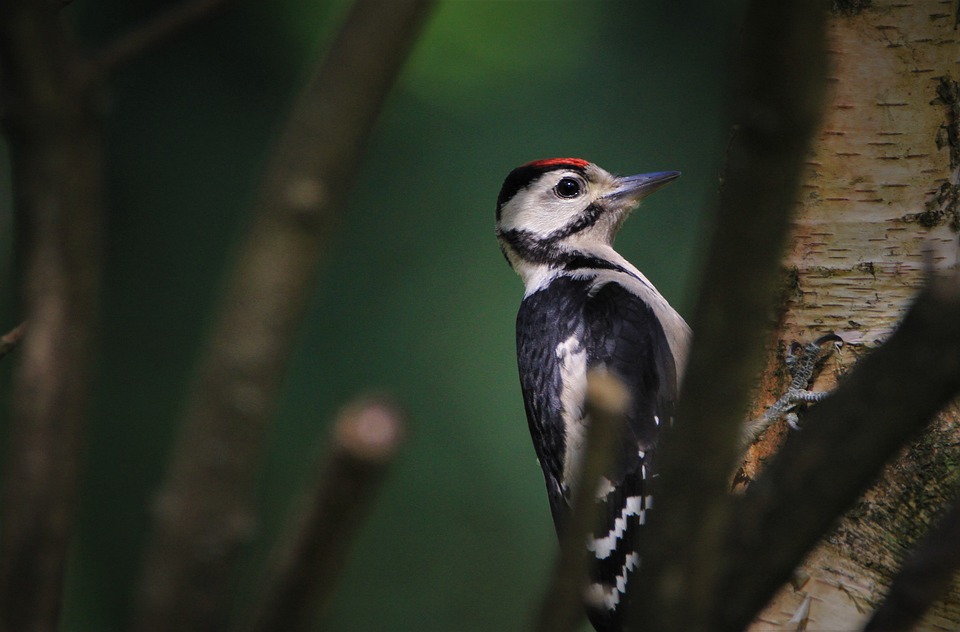
Feathered Favorites: The Ultimate Guide to Nutritious Bird Food Options
Birds are unique and fascinating creatures that bring joy and beauty to our lives. Whether you have a pet bird or enjoy watching them in the wild, providing them with nutritious food is essential for their health and well-being. In this comprehensive guide, we will explore a variety of bird food options that will meet the dietary needs of your feathered friends.
Understanding the Nutritional Needs of Birds
Before we dive into the different types of bird food, it’s important to understand the nutritional needs of birds. Like humans, birds require a balanced diet that includes a variety of nutrients to thrive. Some key nutrients that birds need include:
Protein: Birds need protein for muscle development, feather health, and overall growth.
Carbohydrates: Carbohydrates provide birds with energy for flying and other activities.
Vitamins and Minerals: Birds require a variety of vitamins and minerals for proper functioning of their bodies.
Fats: Healthy fats are important for birds’ overall health and help provide energy.
Water: Birds need access to clean, fresh water at all times.
By providing a well-rounded diet that includes a variety of these essential nutrients, you can help ensure that your feathered friends stay healthy and happy.
Popular Bird Food Options
When it comes to feeding birds, there are a variety of food options to choose from. Here are some of the most popular choices:
Seed Mixes: Seed mixes are a common choice for feeding birds, and they come in a variety of blends to suit different bird species. Popular seeds include sunflower seeds, millet, and safflower seeds. It’s important to note that some seed mixes may be high in fat, so it’s best to offer them in moderation.
Pellets: Pellets are a convenient and balanced option for feeding birds. They are formulated to provide birds with all the essential nutrients they need in one easy-to-eat pellet. Pellets come in different sizes and flavors to suit the preferences of different bird species.
Fresh Fruits and Vegetables: Fresh fruits and vegetables are a great way to add variety to your bird’s diet. Some popular choices include apples, carrots, and leafy greens. Be sure to wash fruits and vegetables thoroughly before offering them to your birds.
Mealworms and Insects: Some bird species, such as bluebirds and chickadees, enjoy eating insects like mealworms. You can offer live or dried mealworms as a special treat for your birds.
Nectar: Nectar is a popular food choice for hummingbirds and other nectar-feeding birds. You can purchase commercial nectar mixes or make your own by mixing sugar and water in a 4:1 ratio.
Feeding Tips for Birds
Now that you know about the different types of bird food options, here are some feeding tips to help you provide a healthy and balanced diet for your feathered friends:
Offer a Variety of Foods: Birds, like humans, enjoy variety in their diet. By offering a mix of seeds, pellets, fruits, and vegetables, you can ensure that your birds are getting all the essential nutrients they need.
Limit Treats: While treats like mealworms and suet can be a fun addition to your bird’s diet, it’s important to offer them in moderation. Too many treats can lead to weight gain and nutritional imbalances.
Keep Water Fresh: Birds need access to clean, fresh water at all times. Change your bird’s water regularly to ensure that it stays clean and free of contaminants.
Provide a Clean Feeding Area: Birds are more likely to visit your feeding station if it’s clean and free of debris. Regularly clean your bird feeders and remove any old or moldy food.
Monitor Your Bird’s Health: Keep an eye on your bird’s health and behavior. If you notice any changes in their eating habits, droppings, or activity levels, consult with a veterinarian to address any potential health issues.
By following these feeding tips and offering a variety of nutritious foods, you can help ensure that your feathered friends stay healthy and happy.
Common Questions About Bird Food
Here are some common questions that bird owners may have about feeding their feathered friends:
Can I feed my bird table scraps?
It’s best to avoid feeding your bird table scraps, as many human foods are not safe for birds. Stick to bird-specific foods to ensure that your bird is getting the nutrients they need.
How often should I feed my bird?
The frequency of feeding will depend on the species and age of your bird. In general, most birds will benefit from having access to food throughout the day.
Can I offer treats to my bird?
Treats can be a fun addition to your bird’s diet, but it’s important to offer them in moderation. Too many treats can lead to nutritional imbalances and weight gain.
Is it okay to offer commercial bird food?
Commercial bird food, such as seed mixes and pellets, can be a convenient and balanced option for feeding birds. Just be sure to read the ingredients label to ensure that the food meets your bird’s nutritional needs.
Conclusion
Feeding your feathered friends a nutritious diet is essential for their health and well-being. By offering a variety of foods that meet their nutritional needs, you can help ensure that your birds stay healthy and happy. Experiment with different food options and feeding techniques to find what works best for your specific bird species. Remember to monitor your bird’s health and behavior, and consult with a veterinarian if you have any concerns. With the right diet and care, you can enjoy many happy years with your feathered companions.