Feeding Your Bunny Right: A Comprehensive Guide to Rabbit Food Options
Rabbits are adorable, fluffy pets that are beloved by many. However, when it comes to feeding them, many owners are unsure of what foods are best for their furry friends. In this comprehensive guide, we will explore the different rabbit food options available, including hay, pellets, vegetables, and treats. We will also address common questions that rabbit owners have about their pet’s diet and provide valuable tips for feeding your bunny right.
Importance of a Balanced Diet for Your Rabbit
Before we dive into the specifics of rabbit food options, it’s important to understand the importance of a balanced diet for your pet. Rabbits are herbivores, which means they primarily eat plants. In the wild, their diet consists mainly of grasses, leaves, and other plant materials. To keep your rabbit healthy and happy, it’s essential to provide them with a diet that mimics their natural food sources.
A balanced diet for a rabbit consists of three main components: hay, pellets, and fresh vegetables. Hay is the most important part of your rabbit’s diet and should make up the majority of their food intake. Pellets provide essential nutrients and minerals, while fresh vegetables add variety and additional vitamins. Treats should be given sparingly and only as an occasional snack.
Hay: The Foundation of Your Rabbit’s Diet
Hay is the foundation of your rabbit’s diet and should be available to them at all times. There are several types of hay that are suitable for rabbits, including timothy hay, orchard grass hay, and meadow hay. Timothy hay is the most commonly recommended type of hay for rabbits, as it is high in fiber and low in calories. Hay is essential for your rabbit’s digestive health, as it helps to wear down their teeth and prevents gastrointestinal issues.
Pellets: A Nutritious Addition to Your Rabbit’s Diet
Pellets are another important component of your rabbit’s diet. Look for high-quality pellets that are specifically formulated for rabbits, as these will contain the essential nutrients that your pet needs to thrive. Pellets should make up a small portion of your rabbit’s daily food intake, as they are dense in calories. It’s important to monitor your rabbit’s weight and adjust their pellet intake accordingly.
Fresh Vegetables: Adding Variety to Your Rabbit’s Diet
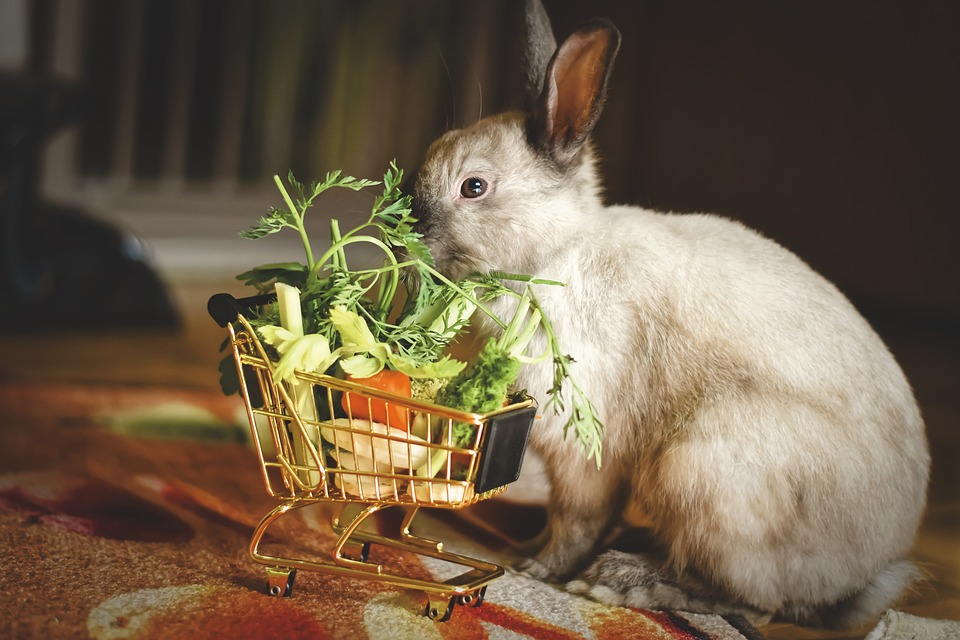
In addition to hay and pellets, fresh vegetables should also be a regular part of your rabbit’s diet. Vegetables provide additional vitamins and minerals that are essential for your rabbit’s overall health. Some safe vegetables for rabbits include dark leafy greens, such as kale, spinach, and romaine lettuce, as well as carrots, bell peppers, and broccoli. It’s important to introduce new vegetables to your rabbit’s diet slowly, as sudden changes can upset their digestive system.
Treats: A Special Occasional Snack for Your Rabbit
Treats should be given sparingly to your rabbit and only as an occasional snack. Some safe treats for rabbits include small pieces of fruit, such as apple or banana, as well as commercial rabbit treats. It’s important to avoid giving your rabbit sugary or fatty treats, as these can lead to obesity and other health issues. Treats should make up no more than 5% of your rabbit’s daily food intake.
Common Questions About Rabbit Food
As a rabbit owner, you may have some common questions about your pet’s diet. Here are some answers to frequently asked questions about rabbit food:
1. How much hay should I feed my rabbit?
Hay should make up the majority of your rabbit’s diet and should be available to them at all times. A good rule of thumb is to provide your rabbit with a pile of hay that is roughly the size of their body each day.
2. How do I transition my rabbit to a new type of food?
If you need to transition your rabbit to a new type of food, such as a different brand of pellets or a new type of hay, do so gradually. Start by mixing small amounts of the new food with their current food and gradually increase the amount over the course of a week.
3. Can rabbits eat fruit?
Yes, rabbits can eat fruit, but it should be given sparingly as a treat. Fruit is high in sugar, so it’s important to limit your rabbit’s intake to avoid weight gain and other health issues.
4. Can rabbits eat human food?
Rabbits should primarily eat foods that are specifically formulated for them, such as hay, pellets, and vegetables. While some human foods are safe for rabbits, it’s best to stick to a diet that is designed to meet their nutritional needs.
Tips for Feeding Your Bunny Right
To ensure that your rabbit is getting the proper nutrition they need, here are some tips for feeding your bunny right:
1. Provide a constant supply of fresh water for your rabbit. Make sure to clean their water bowl or bottle regularly to keep it free of bacteria.
2. Monitor your rabbit’s weight and adjust their food intake accordingly. Obesity is a common issue in pet rabbits, so it’s important to keep an eye on their weight and make adjustments to their diet as needed.
3. Offer a variety of fresh vegetables to your rabbit to ensure they are getting a wide range of nutrients. Rotate their vegetable options regularly to keep their diet interesting.
4. Avoid feeding your rabbit foods that are toxic to them, such as chocolate, avocado, and certain houseplants. Make sure to do your research before introducing new foods to your rabbit’s diet.
In conclusion, feeding your bunny right is essential for their health and well-being. By providing a balanced diet that includes hay, pellets, vegetables, and treats in moderation, you can ensure that your rabbit is happy and healthy. Remember to monitor their weight, provide fresh water at all times, and offer a variety of foods to keep their diet interesting. With proper care and attention to their diet, your bunny will thrive as a beloved member of your family.