The Purr-fect Guide: Mastering Cat Behavior Training Techniques
Understanding Cat Behavior
Cats are unique creatures with their own set of behaviors and instincts. Understanding these behaviors is crucial in training them effectively. Here are some common cat behaviors you should be aware of:
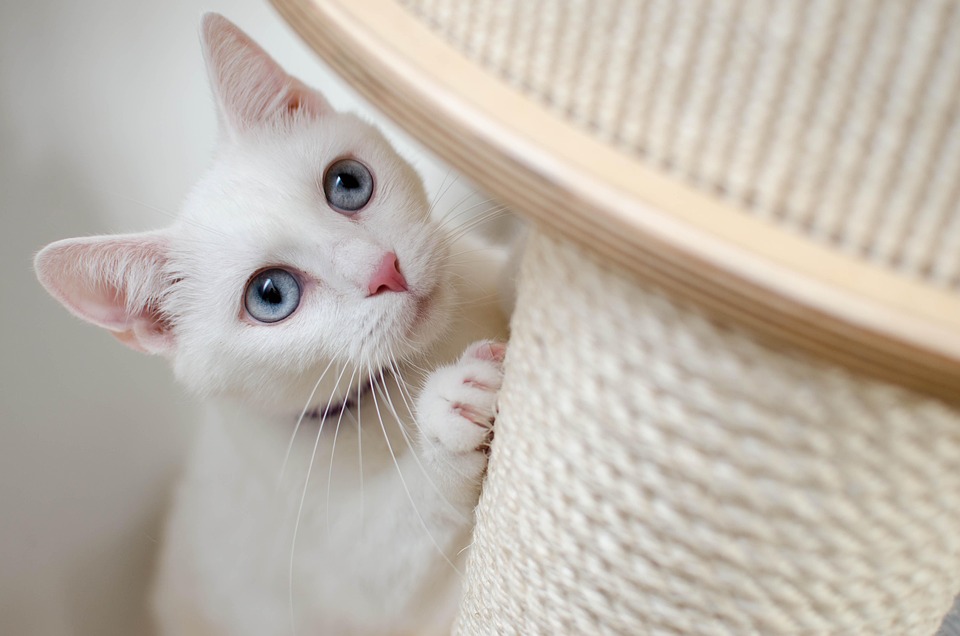
– Scratching: Cats scratch to mark their territory and keep their claws healthy.
– Hissing: Cats hiss when they feel threatened or scared.
– Purring: Cats purr when they are happy, relaxed, or seeking attention.
– Kneading: Cats knead with their paws as a sign of contentment or to mark their territory.
Common Cat Behavior Problems
While cats are lovable pets, they can exhibit problem behaviors that may need to be addressed through training. Some common cat behavior problems include:
– Scratching furniture: Cats may scratch furniture to sharpen their claws or mark their territory.
– Aggression: Cats may display aggression towards other pets, humans, or strangers.
– Inappropriate elimination: Cats may urinate or defecate outside of the litter box.
– Excessive meowing: Cats may meow excessively to seek attention or communicate their needs.
Effective Cat Behavior Training Techniques
Training your cat requires patience, consistency, and positive reinforcement. Here are some effective cat behavior training techniques to help you address problem behaviors:
– Use positive reinforcement: Reward your cat with treats, toys, or affection when they exhibit desirable behaviors.
– Provide mental stimulation: Engage your cat with interactive toys, puzzle feeders, or scratching posts to prevent boredom and destructive behaviors.
– Establish a routine: Cats thrive on routine, so create a consistent schedule for feeding, playtime, and litter box maintenance.
– Use deterrents: Use deterrents like double-sided tape or citrus scents to discourage unwanted behaviors like scratching furniture.
– Seek professional help: If you’re struggling to address a certain behavior problem, don’t hesitate to seek help from a professional cat behaviorist.
Creating a Cat-Friendly Environment
To help promote positive behavior in your cat, it’s important to create a cat-friendly environment that meets their physical and emotional needs. Here are some tips for creating a cat-friendly environment:
– Provide vertical space: Cats love to climb and perch, so consider installing cat trees or shelves for them to explore.
– Offer multiple litter boxes: Cats prefer a clean and private space for elimination, so provide multiple litter boxes in different locations.
– Create hiding spots: Cats enjoy having hiding spots where they can retreat when they feel anxious or overwhelmed.
– Offer scratching surfaces: Provide plenty of scratching posts or pads to satisfy your cat’s instinct to scratch.
Conclusion
Mastering cat behavior training techniques requires time, patience, and understanding of your cat’s unique personality. By addressing problem behaviors proactively, using positive reinforcement, and creating a cat-friendly environment, you can help foster a strong bond with your feline companion. Remember, every cat is different, so be prepared to adjust your training techniques to suit your cat’s individual needs. With dedication and consistency, you can successfully guide your cat towards desirable behaviors and a harmonious relationship.