Hamsters are adorable and popular pets loved by people of all ages. But to ensure they lead a happy and healthy life, proper nutrition is key. As a responsible hamster owner, it is crucial to understand what foods are safe and beneficial for your furry friend. In this comprehensive guide, we will explore the ultimate list of foods that are essential for your hamster’s well-being.
Understanding Hamster Nutrition
When it comes to hamster nutrition, it is important to remember that these small creatures have specific dietary needs. Hamsters are omnivores, which means they need a balanced diet consisting of both plant-based and animal-based foods. In the wild, hamsters feed on a variety of seeds, grains, fruits, vegetables, and insects. As a pet owner, it is your responsibility to replicate this natural diet to ensure your hamster stays healthy.
Essential Nutrients for Hamsters
Before we dive into the complete food list for hamsters, let’s first understand the essential nutrients they need to thrive:
1. Protein: Protein is crucial for muscle growth and repair. Hamsters require a good source of protein in their diet, which can be obtained from seeds, nuts, tofu, boiled eggs, and small insects.
2. Carbohydrates: Carbohydrates provide energy to hamsters, helping them stay active and healthy. Good sources of carbohydrates for hamsters include grains, fruits, and vegetables.
3. Fats: Fats are important for maintaining healthy skin and coat in hamsters. Foods like seeds, nuts, and avocado are rich in healthy fats that are beneficial for your furry friend.
4. Vitamins and Minerals: Hamsters need a variety of vitamins and minerals to support their overall health. Fruits and vegetables are excellent sources of essential vitamins and minerals.
Complete Food List for Hamsters
Now that you have a basic understanding of hamster nutrition, let’s explore the ultimate food list for happy and healthy pets:
Seeds and Grains:
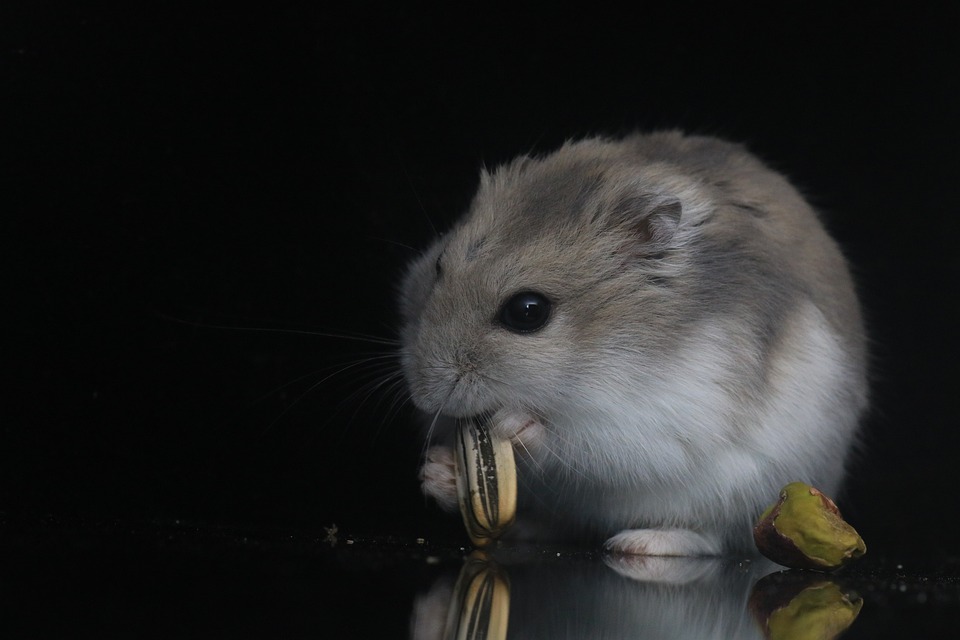
1. Sunflower seeds
2. Pumpkin seeds
3. Flaxseeds
4. Millet
5. Oats
6. Barley
7. Buckwheat
8. Wheat
Fruits:
1. Apples
2. Bananas
3. Grapes
4. Blueberries
5. Strawberries
6. Kiwi
7. Mango
8. Papaya
Vegetables:
1. Carrots
2. Broccoli
3. Bell peppers
4. Cucumbers
5. Spinach
6. Kale
7. Zucchini
8. Sweet potatoes
Proteins:
1. Boiled eggs
2. Tofu
3. Chicken (cooked and unseasoned)
4. Mealworms
5. Crickets
6. Grasshoppers
Treats:
1. Yogurt drops
2. Dried fruits (in moderation)
3. Honey sticks
4. Cheerios
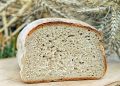
5. Small pieces of whole grain bread
Common Questions About Hamster Nutrition
Here are some common questions about hamster nutrition that pet owners often have:
1. Can hamsters eat nuts?
Yes, hamsters can eat nuts in moderation. Nuts like almonds, walnuts, and peanuts are a great source of protein and healthy fats for hamsters.
2. How much fruits and vegetables should I feed my hamster?
It is recommended to feed your hamster a small amount of fruits and vegetables daily, as they contain essential vitamins and minerals. Make sure to wash and cut the fruits and vegetables into small pieces to prevent choking hazards.
3. Can hamsters eat meat?
While hamsters are omnivores, they do not require meat in their diet. However, small amounts of cooked and unseasoned chicken can be given as a treat occasionally.
4. What should I avoid feeding my hamster?
Certain foods should be avoided as they can be harmful to hamsters. These include chocolate, caffeine, sugary foods, citrus fruits, onions, and garlic.
Conclusion
In conclusion, a well-balanced diet is essential for keeping your hamster happy and healthy. By incorporating a variety of foods from the complete food list mentioned above, you can ensure your furry friend receives the nutrients they need to thrive. Remember to provide fresh water at all times and monitor your hamster’s diet to prevent overfeeding. A healthy diet combined with regular exercise and proper hygiene will help your hamster live a long and fulfilling life. So, go ahead and treat your little pet to a nutritious and delicious meal today!